30-Day Startup Launch Plan and Checklist (2026)
A focused 2026 launch calendar that moves from customer proof to message, distribution, launch day, and a measured follow-up loop.
Operating systems, leadership practices, goals, hiring, and decision frameworks for building a startup that can execute consistently.

A focused 2026 launch calendar that moves from customer proof to message, distribution, launch day, and a measured follow-up loop.

A 2026 onboarding system for moving new customers from signed agreement to first value with clear owners, evidence, and recovery steps.

A 2026 operating-system guide for keeping startup context, priorities, learning loops, and weekly execution in one place.

A 2026 startup checklist for turning an idea into a validated offer, first customers, and a basic operating rhythm.

Use a lean portfolio-management rhythm to limit work in progress, connect initiatives to evidence, surface risks, and stop projects that no longer support the startup's constraint.

Choose the right Six Sigma tool for the question: map a process, collect data, prioritize defects, test causes, assess risk, or monitor performance.

Learn how Define, Measure, Analyze, Improve, and Control turn an existing process problem into a measured improvement and a sustainable operating standard.

A process map explains how a defined workflow operates; a value stream map shows end-to-end material and information flow, delays, and improvement opportunities.

Compare Lean and Six Sigma by problem type, evidence, tools, and operating cost—then choose a lightweight improvement method that fits the process.

Build a startup hiring process around a real capacity constraint, a job scorecard, structured assessment, bias safeguards, and a measurable 30-day outcome.

Combine outcome-focused OKRs with short learning cycles using complete startup examples, a weekly review cadence, and guardrails against common failure modes.

Compare CEO and COO responsibilities, reporting lines, decision rights, structure variants, and the evidence that a startup actually needs an operations executive.

Study 10 documented Blue Ocean strategic moves, see how each changed buyer value, and learn why a famous company is not automatically a blue ocean today.

Compare a U.S. limited liability company with general, limited, and limited-liability partnerships—and separate state-law structure from federal tax classification.

Understand the two common meanings of equity partner: an owner in a professional firm and an informal startup label for someone receiving ownership or future equity.

A startup pivot is a deliberate change to a fundamental hypothesis based on evidence. Use this framework to decide whether to hold, adjust, pivot, or stop.

Lead a remote startup with explicit decisions, async updates, meeting rules, timezone handoffs, one-to-ones, security boundaries, and an operating cadence that does not depend on constant calls.

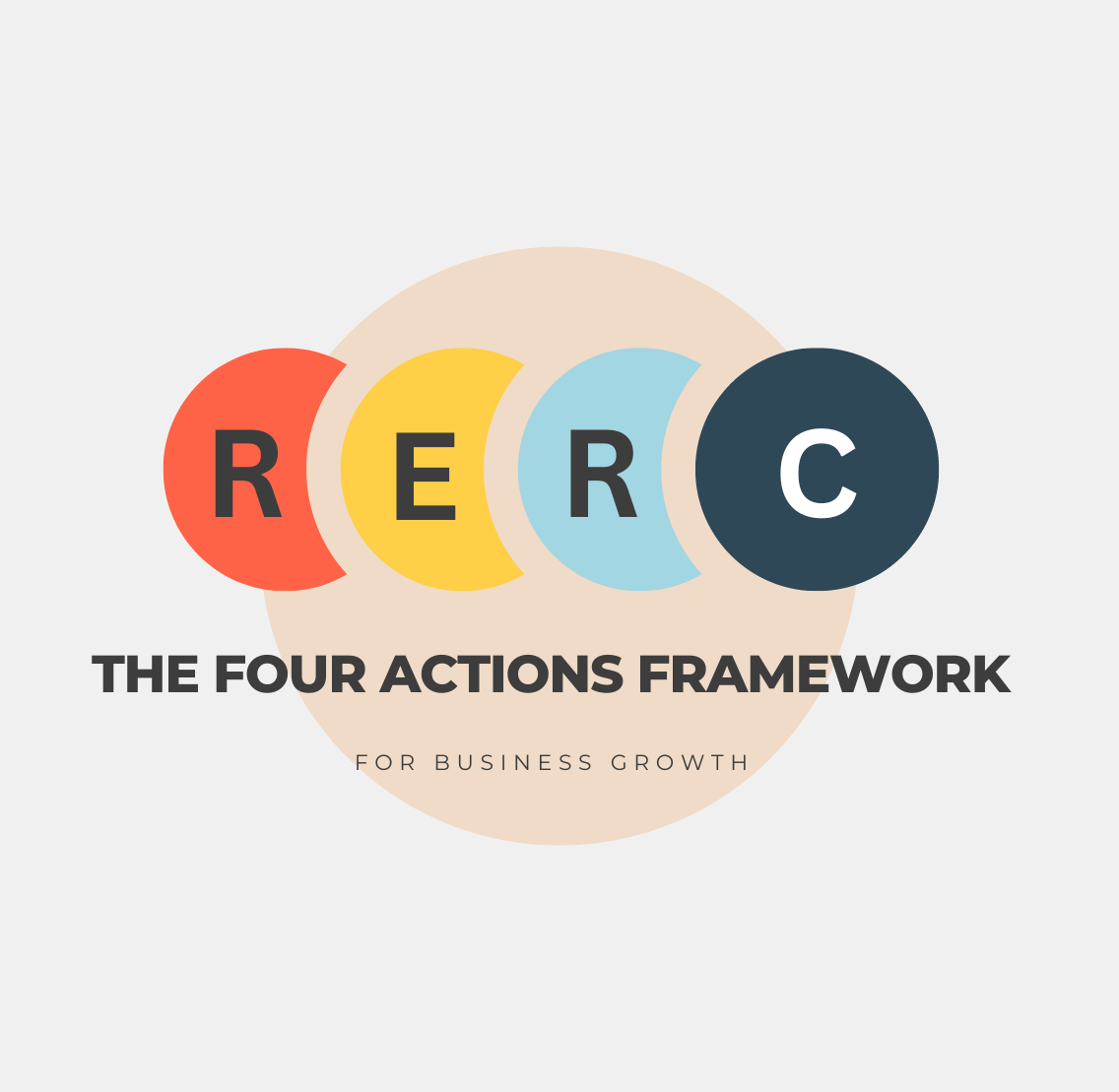
Use the Blue Ocean Strategy Four Actions Framework to decide what to eliminate, reduce, raise, and create—then turn the grid into a testable offer.
Most founders are overworked, under-resourced, and forced to build without the operating sequence. 100 Tasks AI turns Martin Bell's 120+ launch process into a 100-task checklist, AI co-founder, Powersheets, and dashboard so you can launch and scale 3-5x faster.