 Martin Bell6 Min ReadUpdated Jul 14, 2026
What Is a Solopreneur? Definition, Model, and Trade-Offs
A solopreneur owns and leads a business without building a permanent employee team. Learn how the model differs from freelancing and micropreneurship.
A solopreneur is a person who owns and leads a business while intentionally keeping the permanent operating team to one. They may use software, AI, contractors, agencies, and professional advisers, but they retain the central decisions and do not build the business around managing employees.
The term describes an operating model, not a legal entity or tax status. A solopreneur might operate as a sole proprietor, LLC owner, or company shareholder depending on location and circumstances.

Solopreneur, Freelancer, and Micropreneur Compared
These labels overlap, but they answer different questions.
| Model | What the label emphasizes | Typical revenue | Growth choice |
|---|---|---|---|
| Solopreneur | One owner-operator without a permanent employee team | Services, products, subscriptions, licensing, or a mix | Improve leverage while preserving solo control |
| Freelancer | Independent client work sold through personal expertise or capacity | Projects, retainers, or time-based work | Raise rates, specialize, productize, or build a firm |
| Micropreneur | A deliberately small business; usage varies and may include a tiny team | Any focused small-business model | Optimize for a chosen size, lifestyle, or niche |
| Entrepreneur | A broad term for someone who creates and operates a venture | Any business model | May stay solo or build a larger organization |
A freelancer can be a solopreneur, but a solopreneur does not have to sell client work. A solo software founder, independent publisher, or one-person training company may all fit. Read the separate solopreneur versus entrepreneur comparison for the team and capital decision, or the micropreneur definition for the intentionally small-business angle.
How the Model Works
The model succeeds when the offer and operations fit one decision-maker’s capacity. Strong solo businesses usually combine four elements:
- A narrow customer and problem. Focus reduces sales and delivery variation.
- A clear offer. Buyers can understand the outcome, scope, price logic, and next step.
- A repeatable workflow. Templates, checklists, automation, and contractors reduce reinvention.
- An explicit capacity rule. The owner knows how much work can be accepted without harming quality.
The goal is not to do everything personally. It is to remain accountable for the system while buying specialized help when that is safer or more efficient.
Write the solo-business shape on one page
“Stay solo” is not a complete operating decision. Task 17 of the current 100 Tasks framework separates the decision into ambition and go-to-market motion so the founder can see what the chosen model will demand before committing to it.
| Decision | Write down | Solo-fit test |
|---|---|---|
| Ambition altitude | Improve an existing category, transfer a proven model, or create a new category | Does your domain knowledge, customer access, capital, and runway match the uncertainty? |
| Primary go-to-market motion | Product-led, sales-led, community-led, or content-led | Is this how the buyer already discovers, evaluates, and purchases this kind of result? |
| Secondary motion | One reinforcing motion, or “none for now” | Does it strengthen the primary path without creating a second full-time business? |
| Motion constraints | The product, pricing, distribution, support, and team conditions the motion requires | Can one owner meet those conditions reliably, using contractors where appropriate? |
| Review trigger | The evidence that would make you narrow the offer, change motion, or stop operating solo | Is the trigger observable before quality, cash, or health deteriorates? |
This page is a constraint record, not a forecast. Revisit it when buyers behave differently from the model or when a repeated role becomes necessary rather than merely convenient.
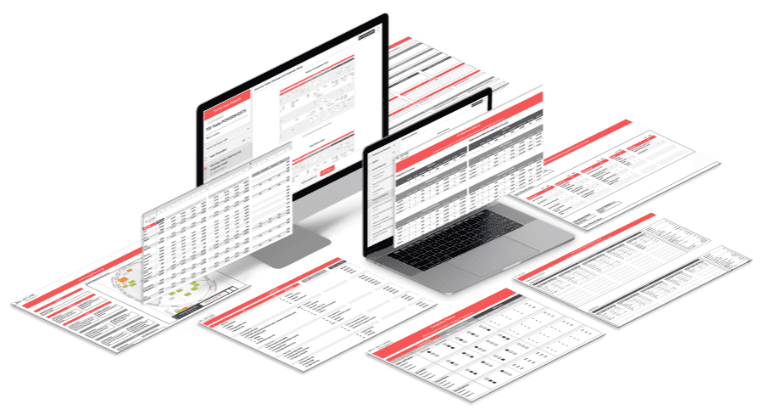
Powersheets mockup: the image illustrates the SOP, checklist, worksheet, model, and decision-document formats used to turn a framework into repeatable work; it is a mockup, not a downloadable file.
Common Solopreneur Business Models
- Specialist service: a defined result for a narrow buyer, delivered as projects or retainers.
- Productized service: fixed scope, inputs, deliverables, and turnaround.
- Education: cohort, workshop, course, or membership built around demonstrated expertise.
- Media: newsletter, podcast, or research product supported by subscriptions, sponsorships, or products.
- Digital product: templates, software, data, or licensed intellectual property.
- Hybrid: a service that funds the development of a more repeatable product.
Choosing the model is a capacity decision. A custom service may be easy to start but hard to scale alone. A digital product may have low marginal delivery work but require distribution, support, and ongoing maintenance.
The Main Advantages
Solo control can make decisions fast. There is no management layer between customer evidence and the person changing the offer. The owner can keep costs legible, choose a focused market, and design work around personal goals.
Those benefits are conditional. Independence without demand is not a business, and low headcount does not guarantee high profit or flexibility.
The Main Constraints
Capacity is finite
Sales, delivery, support, finance, and administration compete for the same calendar. Track the limiting resource—usually attention, specialist hours, or customer-facing time—not just revenue.
Key-person risk is high
If the owner becomes unavailable, delivery and decisions may stop. Document critical workflows, secure access credentials, maintain backups, and create a continuity plan.
Feedback can become narrow
Solo founders can mistake personal preference for market evidence. Regular customer interviews, peer review, and specialist advice prevent an echo chamber.
Compliance does not disappear
A one-person business may still have contracts, taxes, privacy duties, licenses, insurance needs, and worker-classification questions. The solo label changes none of those requirements.
A Weekly Solopreneur Operating Rhythm
A simple rhythm protects delivery from consuming the entire week:
- Pipeline: which conversations and proposals can create future revenue?
- Delivery: what customer result must ship next?
- Cash: what was invoiced, collected, committed, and reserved?
- System: which repeated task should be documented, automated, delegated, or removed?
- Evidence: what did customers do that changes the offer or priority?
If every week is urgent delivery, the business has no space to improve its acquisition or systems.
When to Stay Solo—and When to Change
Stay solo when control is valuable, the offer fits your capacity, customers are well served, and the economics support the life you want. Consider a different model when opportunities repeatedly exceed safe capacity, work requires permanent roles, customers need broader coverage, or key-person risk becomes unacceptable.
The next step does not have to be hiring. You might narrow the offer, increase price, reduce custom work, use a vetted contractor, or turn a repeated service into software. The practical guide to building a successful solopreneur operation covers those operating choices in detail.
Martin Bell
Founder of 100 Tasks. Martin Bell has launched or supported 120+ startups and turned Rocket Internet venture-building discipline into a step-by-step system used by 25,000+ founders and startups.