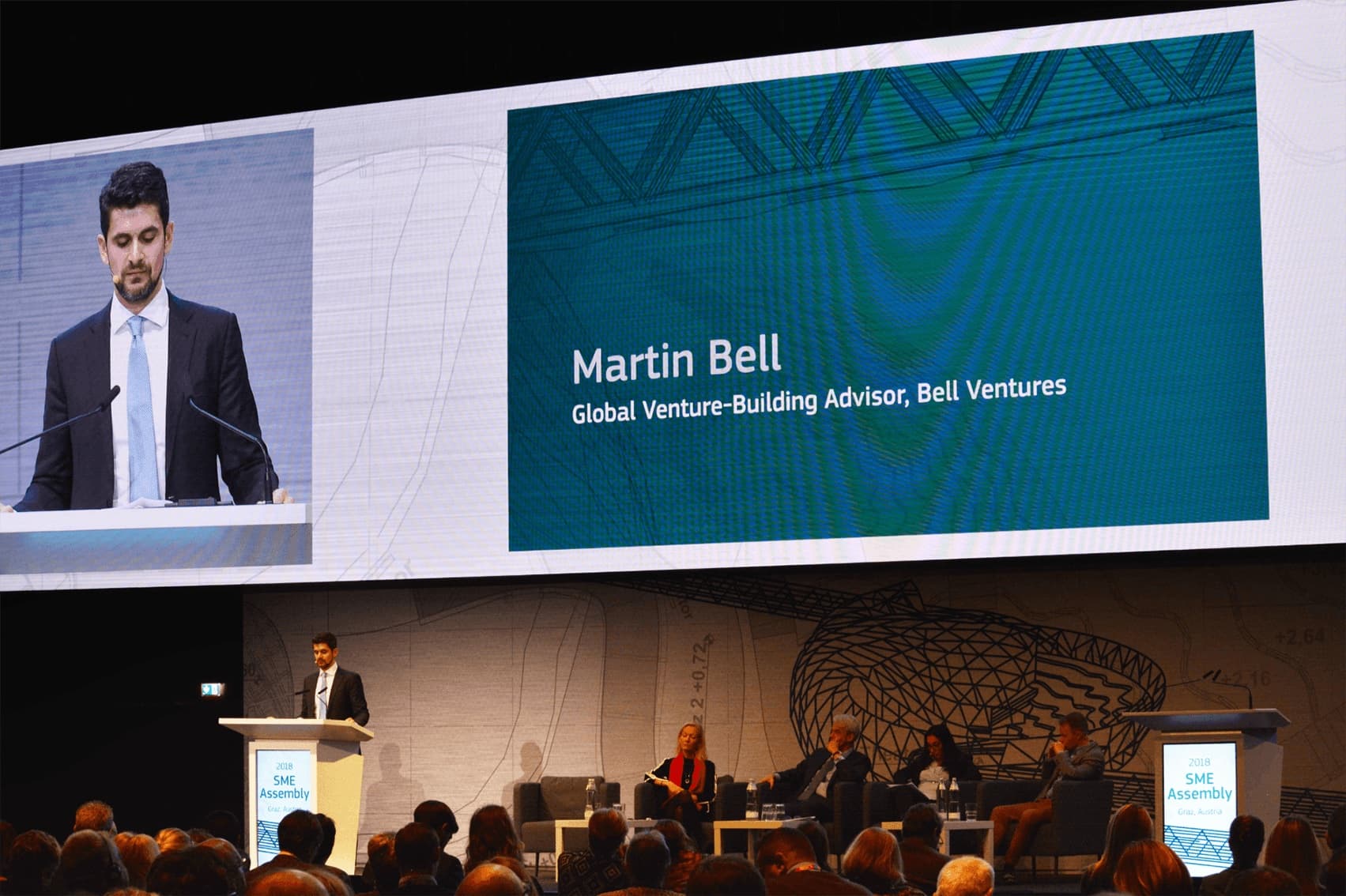
 Martin Bell6 Min ReadUpdated Jul 21, 2026
Bootstrapping a Startup: Runway, Cash, and Growth
Build a bootstrap plan around customer-funded learning, cash runway, staged commitments, and clear signals for staying self-funded or seeking capital.
Bootstrapping means building a business primarily with the founder’s resources and customer revenue rather than relying on outside equity investment. It is a funding approach, not a badge of virtue.
For some companies, customer-funded growth preserves flexibility and forces focus. For others, the capital required for product development, regulation, inventory, or market entry makes pure bootstrapping unrealistic. The right question is not “Can I avoid investors?” It is “What funding path matches the business, risk, timing, and founder’s limits?”
What bootstrapping actually includes
The U.S. Small Business Administration’s funding guide describes self-funding as using personal financial resources and notes that funding choice can affect how a business is structured and run.
A bootstrap plan may combine:
- founder savings;
- income from consulting or another job;
- customer deposits, pre-sales, or annual prepayment;
- operating profit reinvested in growth;
- supplier terms or careful use of trade credit; and
- grants or loans, when appropriate and separately evaluated.
Debt, grants, and customer prepayments are not the same as founder equity. Each has its own obligations and risk. Do not label every non-VC dollar “free” or “bootstrapped.”
Using retirement funds, home equity, personal credit, or money needed for essential living costs can create tax, legal, and household consequences. Take qualified financial and tax advice before putting protected or essential personal assets at risk.
Start with runway, not optimism
Runway is an estimate of how long available cash can support the expected net cash outflow.
For a simple steady-state view:
Runway in months = available business cash ÷ average monthly net cash burn
If the company has $48,000 in available business cash and expects to spend $12,000 more than it collects each month, the simple estimate is four months. That is an illustration, not a forecast. Real cash flows are uneven, and taxes, annual bills, customer delays, inventory, refunds, and one-time expenses can make the estimate wrong.
Build a monthly cash schedule instead:
| Month | Opening cash | Cash collected | Cash paid | Closing cash | Main assumption |
|---|---|---|---|---|---|
| 1 | 48,000 | 8,000 | 17,000 | 39,000 | First two customer payments arrive |
| 2 | 39,000 | 11,000 | 16,000 | 34,000 | One annual software bill is due |
| 3 | 34,000 | 14,000 | 18,000 | 30,000 | Contractor begins delivery work |
Use your own currency and facts. Separate invoiced revenue from cash actually collected. Update the schedule when assumptions change.
The financial modeling guide explains how to connect revenue, costs, cash, runway, and sensitivity in one model.
A bootstrap decision framework
1. Identify the next evidence milestone
Do not fund “the company” in the abstract. Fund the next meaningful proof point:
- repeated customer interviews around one costly problem;
- a paid diagnostic;
- a delivered pilot;
- retained use;
- a repeatable acquisition motion; or
- positive contribution from a narrow offer.
The milestone should reduce a risk that matters to the next decision.
2. Calculate the cash required to reach it
Include founder living constraints separately from business cash. Estimate setup costs, monthly fixed costs, variable delivery costs, taxes, payment timing, and a contingency. Do not count hoped-for revenue as cash until the collection assumption is explicit.
3. Choose the cheapest valid test
“Cheapest” does not mean low quality. It means avoiding cost that does not improve the evidence.
- Deliver manually before automating.
- Use a narrow service before a broad platform.
- Pre-sell when the offer and refund terms are clear.
- Rent or contract before buying a large fixed asset when appropriate.
- Use one acquisition channel until you understand why it works.
The paid-pilot examples show how a B2B founder can learn through a bounded customer engagement rather than a full build.
4. Set a downside limit
Write the maximum business cash, founder time, and personal exposure you will commit before reviewing the decision. Also state what evidence would justify another tranche.
This turns bootstrapping into staged capital allocation instead of an open-ended personal subsidy.
5. Preserve optionality
Clean books, documented ownership, clear intellectual-property assignments, and reliable customer records help whether you remain bootstrapped, take a loan, add a partner, or later raise equity.
Seven practical bootstrapping strategies
Sell a narrow outcome
A focused offer is easier to explain, deliver, price, and improve. Start with one customer, one painful job, and one clear boundary.
Ask for commitment early
An email signup can show interest; a deposit, paid pilot, signed order, or approved procurement step is stronger evidence. The pre-selling guide can help you design a transparent commitment test.
Keep fixed costs reversible
Long leases, permanent headcount, large inventory, and annual contracts can make a wrong assumption expensive. Delay or stage them until demand and delivery are better understood.
Price for the real delivery model
Include founder labor, support, payment fees, rework, refunds, and customer-specific setup. Revenue that consumes unlimited founder capacity is not automatically healthy growth.
Shorten the cash-conversion cycle
Invoice promptly, define payment terms, collect deposits where lawful and appropriate, and follow up consistently. A profitable invoice does not pay bills until the cash arrives.
Review tools and subscriptions by decision value
Cancel software that does not save meaningful time, reduce risk, or support revenue. But do not cut security, bookkeeping, legal, or operational controls simply because their benefit is preventive.
Build a weekly cash habit
Review bank cash, expected collections, committed payments, tax reserves, runway scenarios, and the next large decision. Keep the model close to the bank balance and actual invoices.
Bootstrapping vs. outside capital
| Question | Bootstrapping may fit | Outside capital may deserve review |
|---|---|---|
| Can customers fund learning? | Revenue can begin with a narrow offer | Product must be built or approved before meaningful revenue |
| How large are fixed commitments? | Costs can be staged and reversed | Equipment, inventory, licensing, or research requires significant upfront cash |
| Does speed change the opportunity? | Learning quality matters more than land-grab speed | A time-sensitive opportunity may require faster investment |
| What growth does the market support? | A durable, profitable niche fits founder goals | The company and market may support an institutional venture path |
| What risk can the founder bear? | Exposure is capped and affordable | Self-funding would threaten essential personal security |
Outside capital is not limited to VC. Loans, revenue-based products, grants, strategic partnerships, and equity each have different costs and obligations. Compare the instrument to the cash flow and milestone.
Signals that the bootstrap plan is failing
- Personal spending is repeatedly covering an unchanged business model.
- Revenue grows while cash and founder capacity deteriorate.
- Customers demand a level of support the price cannot fund.
- The company delays taxes, payroll, refunds, or essential controls.
- The next milestone requires a fixed investment far beyond the current runway.
- The founder keeps moving the stop rule after each miss.
These signals do not automatically mean “raise VC.” They mean the current plan needs a decision: change the offer, price, cost structure, pace, funding source, or business itself.
The bootstrap principle that matters
Spend to buy evidence or deliver customer value, not to imitate a later-stage company. A bootstrapped startup earns the next commitment by learning, collecting cash, and controlling downside.
This article is general educational information, not legal, tax, accounting, lending, or personal financial advice.
Martin Bell
Founder of 100 Tasks. Martin Bell has launched or supported 120+ startups and turned Rocket Internet venture-building discipline into a step-by-step system used by 25,000+ founders and startups.